

How to Know If You Are Ready for Your First Dog
Bringing a dog into your life is exciting, but it’s also a long-term responsibility that touches your time, budget, living space, and daily habits. Before you adopt or buy, it helps to evaluate practical factors so both you and your future dog thrive.
Start by learning what supplies, routines, and space you’ll need. Browse basic gear and trusted starter items at MyFirstPet to get a realistic sense of costs and options.
Understand the time commitment
Most dogs need multiple interactions each day: walks, play, training, and quiet companionship. Puppies demand more time for housetraining and socialization than adult dogs. Ask yourself: can you reliably provide two or more concentrated sessions of training or active play every day, plus bathroom breaks and a midday let-out if you work long hours?
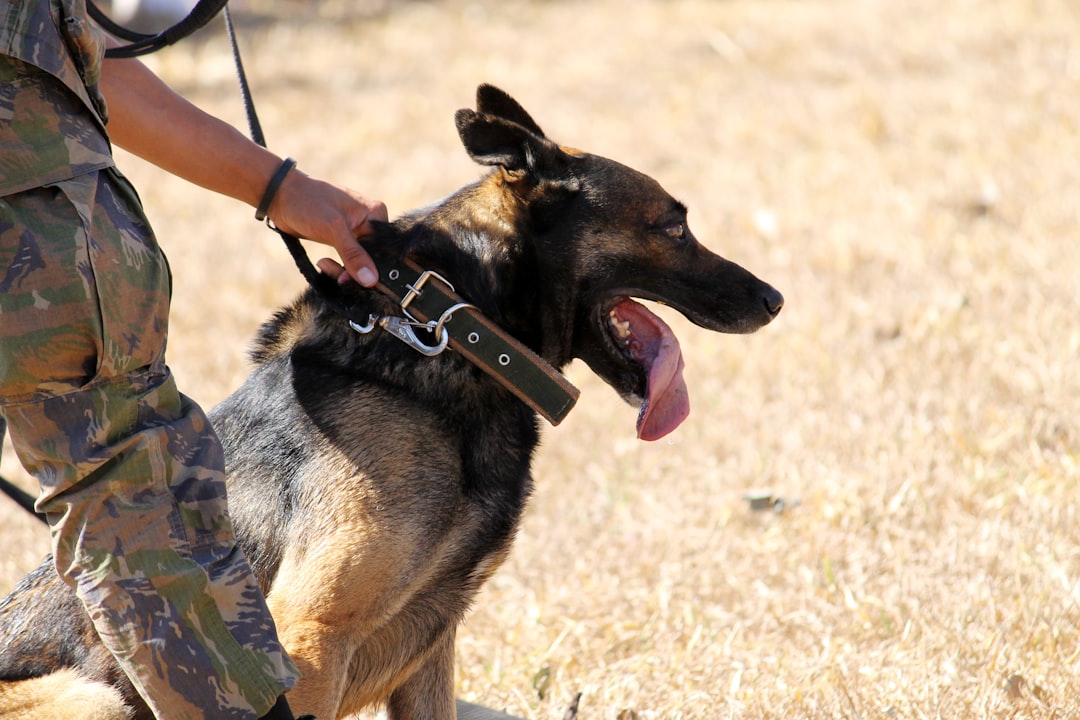
If your schedule includes long stretches away from home, consider whether you can arrange dog walking, doggy daycare, or flexible work options. Tools like a sturdy Dog Leashes and harnesses are essential for safe outings and give structure to daily exercise.
Evaluate long-term costs
Initial costs—adoption fees or puppy purchases, spay/neuter, microchipping, basic supplies—are followed by recurring expenses: food, routine vet care, vaccinations, flea/tick prevention, grooming, and emergency savings. Budget realistically for at least the first year, which includes more frequent vet visits for puppies.
Don’t forget durable gear: a comfortable Dog Beds, quality bowls, toys, and safe containment. These items reduce replacement frequency and improve your dog’s well-being.
Assess your living situation
Housing rules and the physical environment matter. Check lease agreements or HOA rules about pets, breed or weight restrictions, and required pet deposits. Consider whether you have secure outdoor access or space for indoor play.
For apartment dwellers or families with limited outdoor space, crate training or structured confinement during unsupervised times is common. A properly sized Dog Crates can be a safe den and housetraining tool when used correctly.
Plan for training and behavior
Training shapes a good relationship and prevents common problems like chewing, pulling on walks, and separation anxiety. Commit to positive, consistent methods and short daily training sessions. If you don’t feel confident teaching basic commands, a local trainer or group class is a smart investment.
Provide mental stimulation with a variety of safe playthings. A selection of Dog Toys—including puzzle toys and chew-safe options—keeps a dog occupied and reduces destructive behaviors.
Know basic health, grooming, and safety needs
Routine grooming and basic first aid are part of ownership. Learn to handle nail trims, brushing, ear checks, and tooth care. If you’re unsure, schedule a starter grooming appointment and ask the groomer for a demo.
Prepare for minor injuries and emergencies by keeping a compact Pet First Aid Kits on hand. These kits typically include bandages, antiseptic wipes, and easy-to-follow instructions to manage small wounds until you can reach your veterinarian.
Think about travel and outings
If you plan to take your dog on road trips, flights, or frequent public outings, make sure you have appropriate gear. A secure carrier or travel crate keeps your dog safe and calm during transport.
For safe trips to the vet or longer journeys, consider durable Pet Travel Carriers and vehicle protection options that keep both dog and car safe. These items make travel less stressful and more predictable for a new dog.
Monitoring and peace of mind
If you worry about leaving a dog alone while you’re out, technology can help. Pet cameras enable two-way audio, motion alerts, and behavior monitoring so you can spot issues early and reassure anxious dogs remotely.
Investing in a reliable Pet Cameras can reduce separation-related problems by letting you check in, deliver cues to a sitter, or capture footage to discuss with a trainer.
Small checklist before you bring a dog home
- Confirm pet-friendly housing and budget for deposits and recurring costs.
- Arrange a daily routine: feeding times, walks, training sessions, and bathroom breaks.
- Buy core supplies: bed, crate, food and water bowls, leash, ID tag, toys.
- Schedule a veterinarian visit within the first week of adoption/purchase.
- Create an emergency plan: local vet, after-hours clinic, and a stocked first-aid kit.
Frequently Asked Questions
- How much time does a dog need each day?
Most dogs need 1–2+ hours of combined exercise, training, and play daily; active breeds need more. - Can I get a dog if I work full time?
Yes, if you arrange midday breaks with a walker, neighbor, or doggy daycare, and provide enrichment and gradual alone-time training. - What supplies are essential on day one?
A bed, crate, leash and collar with ID, food and water bowls, basic toys, and a short appointment with a vet. - How much should I budget annually?
Expect several hundred to a few thousand dollars depending on food quality, preventative care, training, and unexpected medical needs. - Is it better to get a puppy or an adult dog?
Puppies require intensive training and patience; adult dogs often come house-trained and settled but may have unknown histories. Choose based on your time and experience.
Conclusion
Being ready for a dog means aligning your time, finances, living situation, and willingness to learn. Prepare with the right gear, a clear routine, and trusted resources so your dog has a safe, stable start.
Small investments in supplies, training, and planning now will pay off with a well-adjusted companion for years. If you want to review starter gear, your next step could be a practical shopping list from the categories above to match your lifestyle and the dog you plan to bring home.