

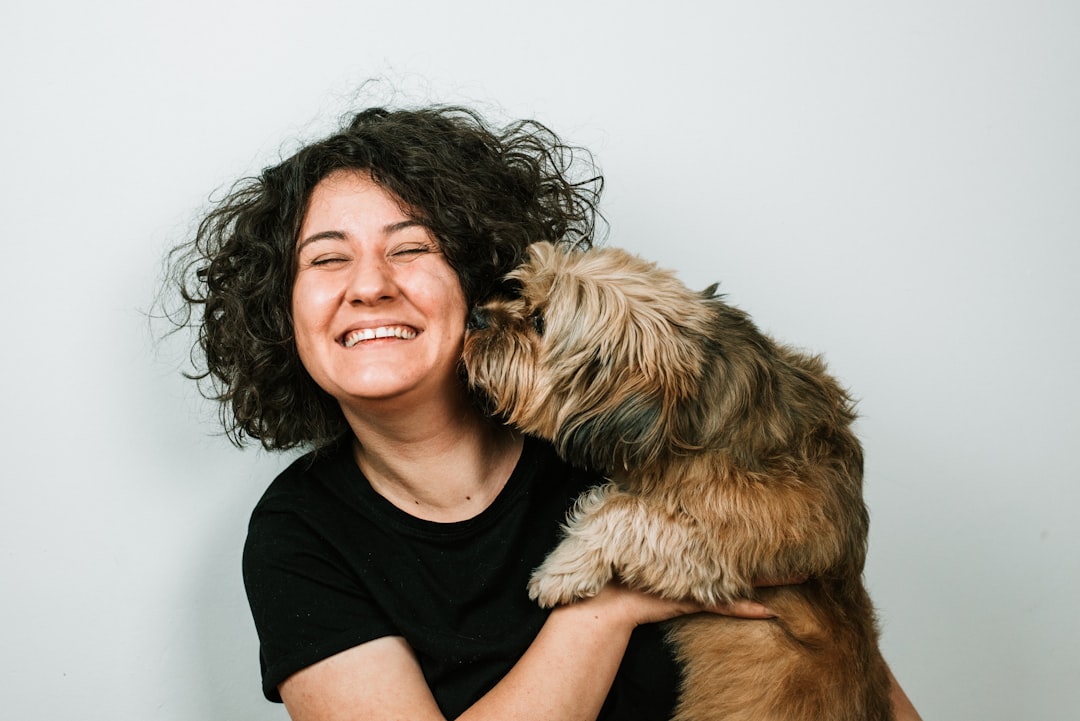
What to Expect During the First Month With a Dog
Bringing a dog home for the first time is exciting—and a little unpredictable. The first month sets the tone for routines, training, bonding, and the dog’s overall comfort. Expect progress and setbacks; both are normal.
This guide walks you through practical milestones, common challenges, and simple tools that make the transition smoother for you and your new companion.
The first 48 hours: settling in
During the initial two days your dog will be taking in a lot: new smells, new people, new rules. Keep introductions calm and controlled. Create a small, quiet area with a bed or mat, water, and a few toys so your dog has a safe retreat. If you plan to use a crate for overnight training or quiet time, set it up early so it becomes a familiar den rather than a punishment—consider a durable Dog Crates option that fits your dog’s size and gives them a secure place to rest.
Feeding and hydration routines
Establish a consistent feeding schedule from day one. Most puppies do well on three to four scheduled meals, while adult dogs typically eat twice daily. Feed in the same place and remove food after 15–20 minutes if they don’t eat; consistency helps with house training.
Use stable, spill-resistant bowls and keep fresh water available. If you want dedicated, easy-to-clean options, check practical Dog Bowls that suit your dog’s size and your home setup.
Sleep, rest, and comfort
New dogs need more sleep than you might expect—up to 18–20 hours for puppies. Create a consistent nighttime routine: a short calm walk, one last bathroom break, then lights out. Place the bed in a low-traffic area where the dog can still see family activities without being in the middle of noise and commotion.
A supportive bed speeds recovery from the first-day excitement and supports joint health. Consider an appropriate-size Dog Beds selection, especially for older dogs or breeds prone to joint issues.
House training basics
House training usually shows fastest gains in the first few weeks with consistent timing and positive reinforcement. Take the dog out first thing in the morning, after meals, first play session, before bed, and every 1–2 hours with puppies.
Use a firm but gentle “outside” cue, praise or reward immediately after they eliminate outside, and thoroughly clean indoor accidents with an enzyme cleaner to remove scent markers. Avoid punishment—focus on reinforcing the desired routine.
Leash training and short outings
Short, frequent walks are both physical exercise and training opportunities. Start with loose-leash practice in a quiet area. Keep initial outings 5–10 minutes if your dog is nervous, gradually increasing duration and stimulation level.
Choose a reliable walking setup—harness or collar—paired with a comfortable, sturdy leash. If you need gear recommendations, explore suitable Dog Leashes that match your dog’s size and your walking habits.
Mental stimulation and safe chewing
Mental exercise is as important as physical exercise, especially for puppies and high-energy breeds. Short training sessions (5–10 minutes) sprinkled throughout the day teach basic cues and tire the brain in healthy ways.
Provide durable toys to redirect chewing and boredom. Rotate toys so they stay novel, and choose options designed for chewing or interactive play. Browse a variety of Dog Toys to find ones appropriate for your dog’s age and chewing style.
Grooming, handling, and health checks
Early, gentle handling builds trust and makes future vet visits and grooming easier. Acclimate your dog to brief grooming sessions: touch paws, ears, and teeth, and praise frequently. Regular brushing removes loose hair and is a calming bonding activity.
Keep grooming tools handy and pick styles that match your dog’s coat—see options like Pet Brushes & Combs. Also schedule a vet visit within the first 1–2 weeks to confirm vaccinations, deworming, and a tailored health plan.
Safety and emergency prep
Accidents and minor injuries happen—be prepared. Put together a small pet first-aid kit with bandages, antiseptic wipes, a digital thermometer, and emergency contact numbers. Having a kit reduces panic and lets you act quickly in an urgent situation; consider a compact Pet First Aid Kits tailored for dogs.
Also update ID tags and microchip info, puppy-proof your home (secure trash, small objects, cords), and keep toxic foods and plants out of reach.
Monitoring when you’re away
Short absences in the first month are a normal part of building independence. If you need to leave your dog alone, start with very brief outings and increase time gradually to avoid separation anxiety. Use a crate or a small safe room if that provides comfort.
For additional peace of mind, consider a pet camera to check on behavior, reinforce training remotely, or see when your dog has settled down. A simple indoor Pet Cameras can help you monitor activity and catch small issues before they escalate.
Checklist: First-month essentials
- Designated sleeping area and appropriate bed
- Feeding schedule and sturdy bowls
- Crate or safe den for rest and training
- Leash and basic collar or harness
- Several safe chew toys and interactive toys
- Brush and grooming basics for handling practice
- Small pet first-aid kit and vet contact
- ID tags and microchip check
FAQ
Q: How long will it take my dog to settle into a routine?
A: Most dogs begin to accept a household routine within 2–4 weeks; consistency with feeding, walks, and bedtime speeds this up.
Q: Should I crate my dog right away?
A: Introduce the crate as a safe space gradually. Use it for short periods at first, never as punishment. Many owners find crates helpful for house training and nighttime rest.
Q: When should I start socializing my puppy?
A: Begin safe, controlled socialization as soon as vaccinations allow—short exposures to people, sounds, and different surfaces help build confidence. Always follow your vet’s guidance on vaccination timing.
Q: My dog is anxious when I leave—what can I do?
A: Start with very short absences and build up time, provide stimulating toys, and practice calm departures. If anxiety is severe, discuss behavior strategies with a trainer or vet.
Q: How often should I groom my dog in the first month?
A: Gentle brushing several times a week is good for most coats; short-haired breeds may need less. Make grooming sessions positive with treats and praise.
Conclusion: Practical takeaway
Focus on predictable routines, gentle training, safety, and plenty of patience in the first month. Small, consistent steps—feeding on schedule, short walks, supervised socialization, and a comfortable sleeping spot—lead to steady progress. Keep essentials on hand and enlist professional help (vet or trainer) when needed to set your new dog and your household up for long-term success.